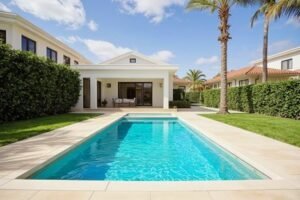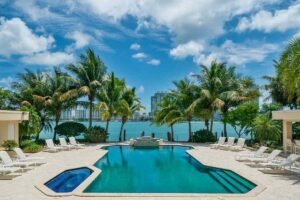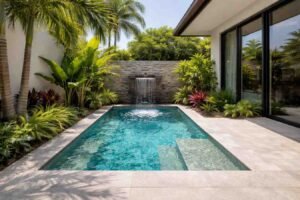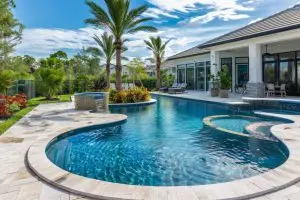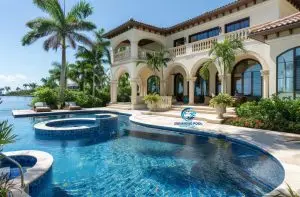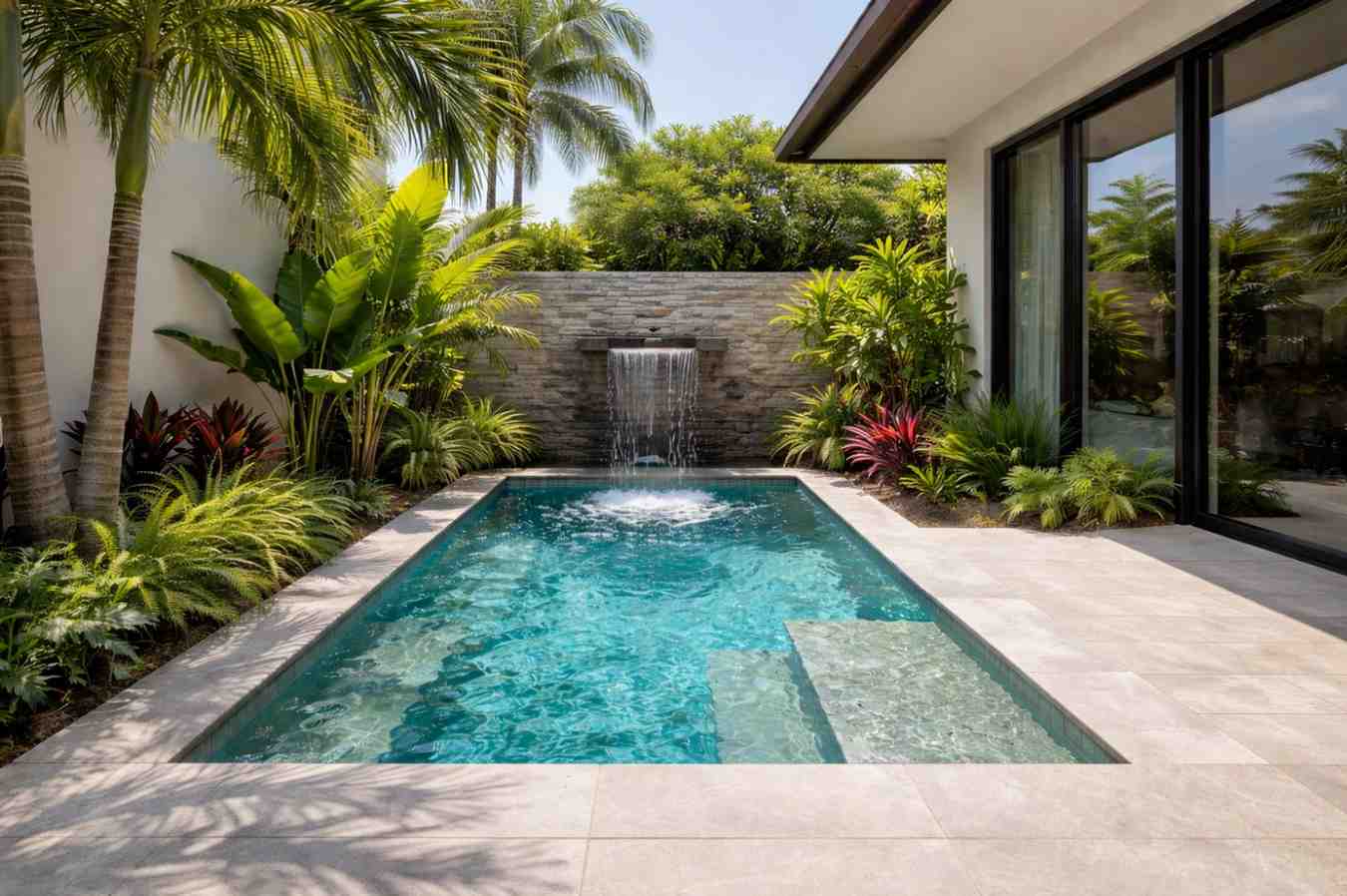
Choosing the right pool size is one of the biggest decisions you will make during a pool project. Many homeowners focus only on how much space they have, but that is only one part of the picture. The way you plan to use the pool, how many people will use it, and how it fits into your backyard all play a role.
If you have been looking up terms like average pool size or standard swimming pool size, you have probably noticed there is no single answer. This guide will walk you through everything you need to know so you can choose a size that actually works for your space and lifestyle.
Why Choosing the Right Pool Size Matters
The size of your pool affects more than just how it looks. It directly impacts how you use it every day. A pool that is too small can feel crowded, while one that is too large may take up too much yard space and increase maintenance costs. The average swimming pool size is often used as a starting point, but it does not mean it is right for your home. Some families need more space for entertaining, while others just want a quiet place to relax.
It also affects your budget. Larger pools cost more to build, fill, heat, and maintain. That is why understanding typical swimming pool dimensions early on helps avoid costly changes later.
Standard Pool Sizes and What They Are Used For?
Before deciding what works for you, it helps to understand common sizing ranges. These are often referred to as standard pool dimensions or average swimming pool dimensions.
Small Pools
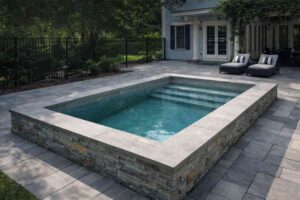
A small pool is usually around 10 to 20 feet in length. This is often considered the size of a small pool and works well in compact spaces.
These pools are great for:
- Cooling off during hot days
- Relaxing with family
- Small backyards
Some homeowners also consider options like swim spa size or endless pool sizes when space is limited. These take up less room while still allowing light exercise.
Medium Size Pools
A medium swimming pool size usually falls between 20 and 30 feet long. This range is often close to the average size of a backyard swimming pool.
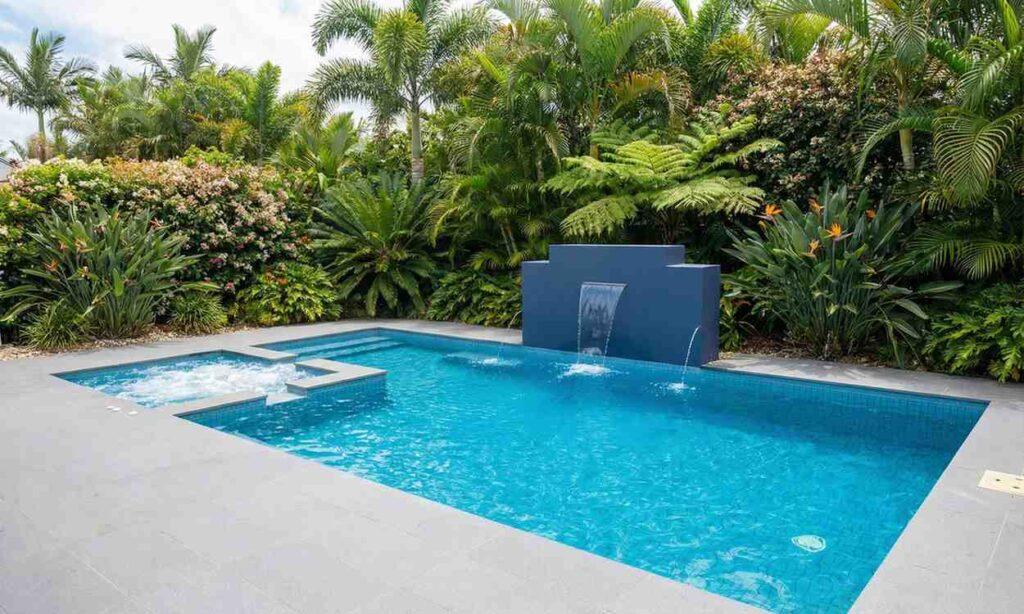
This size works well for:
- Families with kids
- Weekend gatherings
- Light swimming
If you are searching for a normal size swimming pool, this is where most residential pools fall.
Large Pools
Large pools are typically 30 feet or more in length. This is where you start getting into the size of large pool category.
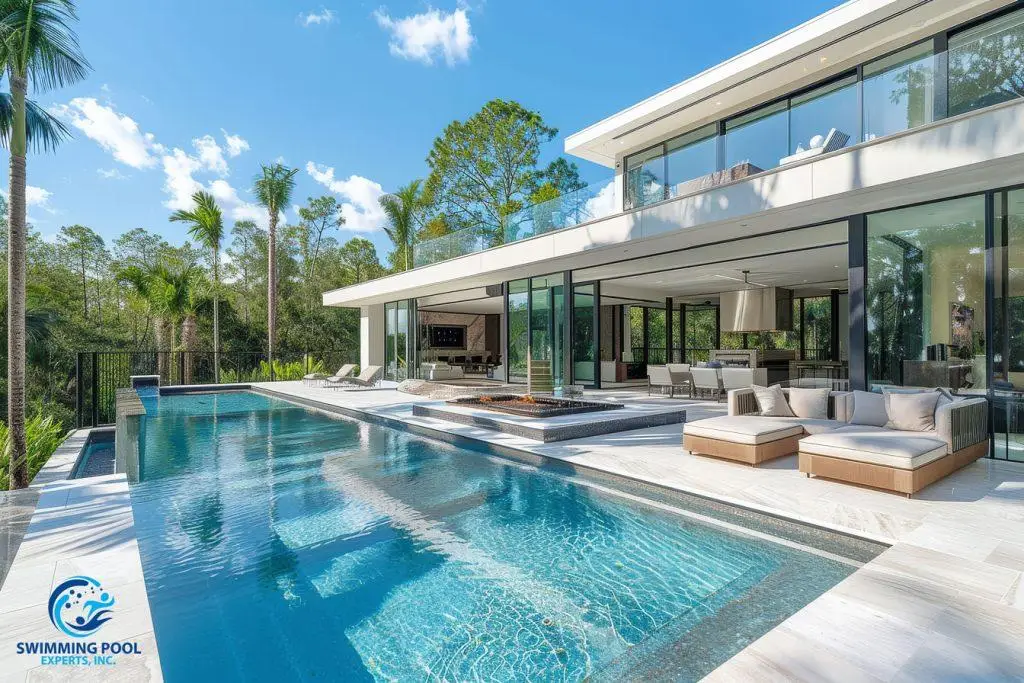
These pools are ideal for:
- Lap swimming
- Entertaining guests
- Large backyards
If swimming is a priority, you may want to look at the length of a standard swimming pool used for laps, which is often longer than a typical residential design.
Key Factors That Help You Decide the Right Pool Size
Looking at average dimensions of a pool is helpful, but your final decision should depend on how the pool will be used.
Backyard Space: Start by measuring your yard. The pool should not take up the entire space. You need room for walking, seating, and other outdoor features. Even if inground pool sizes seem flexible, your layout will limit what actually fits.
How You Plan to Use the Pool : Think about daily use.
- Relaxing and cooling off needs less space
- Playing with kids needs more room
- Swimming laps requires a longer pool
This is where the average length of a pool becomes important. A short pool may not work well for swimming back and forth.
Number of Users: A couple may be comfortable with a smaller pool, but a large family will need more space.
If you often host guests, consider slightly larger residential pool dimensions to avoid overcrowding.
Budget and Maintenance: Bigger pools cost more in every way. From construction to cleaning, size affects long-term expenses.
Looking at inground pool measurements alongside your budget helps you stay realistic.
Local Regulations: Setback rules and property lines can limit pool size. These rules often determine the maximum size allowed, no matter what you prefer.
How Pool Shape Affects the Size You Should Choose
Pool shape plays a big role in how large or small a pool feels, even if the measurements are similar. Many homeowners overlook this when comparing inground swimming pool sizes and shapes.
Rectangular Pools
A rectangular swimming pool size is the most space-efficient option. Straight lines make it easier to plan and use every inch.
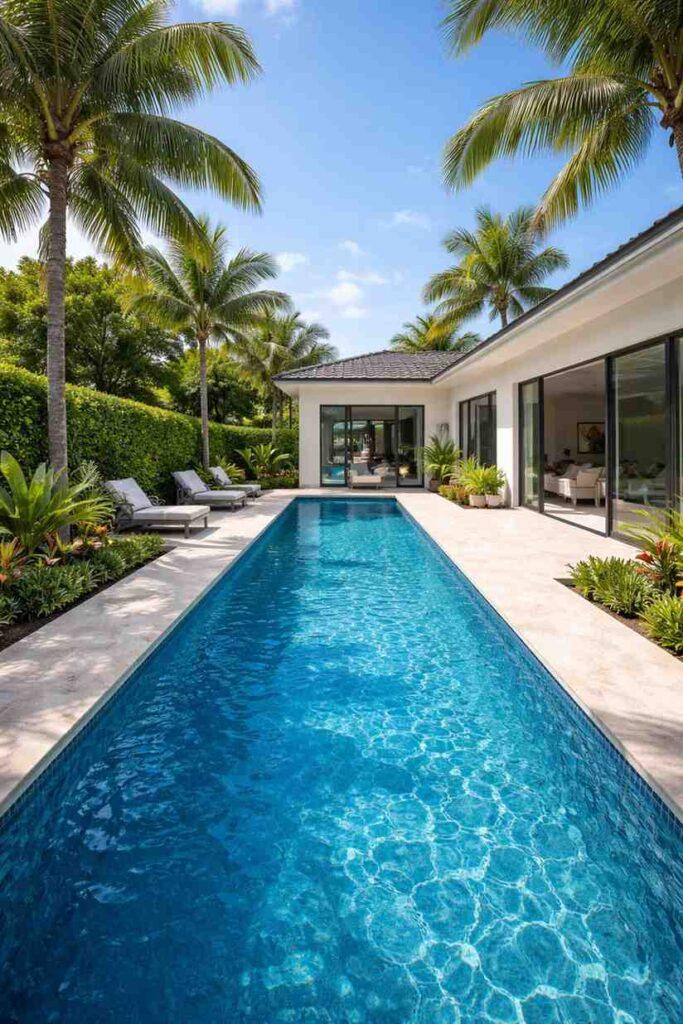
This shape works well for:
- Narrow backyards
- Lap swimming
- Clean and simple layouts
Freeform Pools
Freeform pools have curves and irregular edges. While they may look more open, they often require more space than expected.
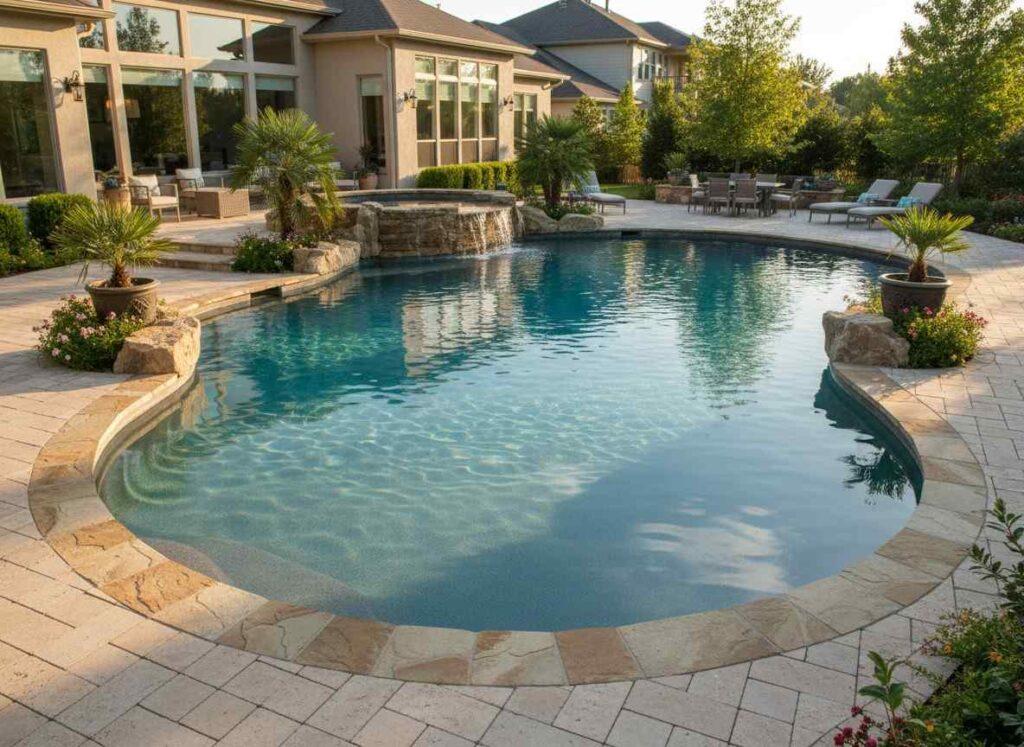
They are better suited for:
- Larger yards
- Relaxed, natural layouts
- Landscaping-focused designs
Custom Shapes
Custom pools can combine different sections for lounging, shallow areas, and deeper zones. If you are planning a custom shape, gunite pools are often the best choice since they allow more flexibility in design and layout. This makes it easier to match the pool to your backyard without being limited by fixed shapes.
When reviewing pool shapes and dimensions, always think about how much usable space you are actually getting, not just the outline.
Pool Size and Backyard Space Planning
A pool should fit into your yard, not take over it. One of the most common mistakes is focusing only on the pool and ignoring the surrounding area.
Leave room for:
- Decking
- Lounge chairs
- Walkways
- Outdoor features
Even if you choose a size close to the average indoor pool size or outdoor equivalent, the surrounding space is what makes the backyard comfortable to use.
Choosing Pool Depth Along With Size
Pool size and depth should always be planned together. A pool may look large on paper, but if the depth is not right, it may not feel comfortable to use. A long pool that is too shallow will not work well for swimming, and a very deep pool may not be ideal for everyday family use.
- Shallow areas are safer for kids and work well for relaxing and casual use
- Medium depth sections are good for general swimming and everyday use
- Deeper areas are better for diving and more active swimming
Many homeowners prefer a pool with different depth levels so everyone can use it comfortably. It also helps you get more use out of the pool instead of limiting it to one purpose.
When reviewing average swimming pool dimensions, always look at both length and depth together. This makes sure the pool fits your space and works well for how you plan to use it.
Work With a Trusted Swimming Pool Builder
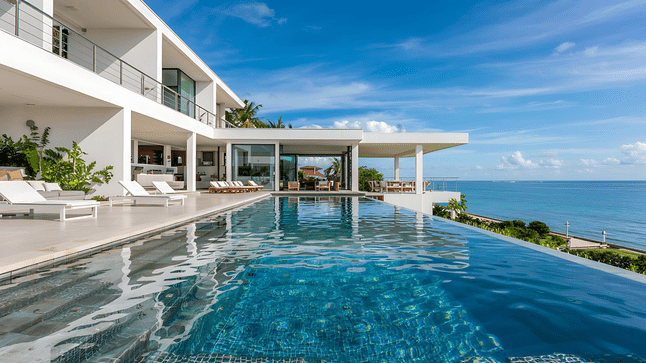
Choosing the right pool size is not always straightforward. Many homeowners start with ideas like typical swimming pool dimensions but realize their backyard needs something different. Working with an experienced swimming pool builder in South Florida can make this process much easier. A professional team can review your space, suggest the right inground pool sizes, and help you plan a layout that fits both your yard and your budget. They can also guide you through different inground swimming pool sizes and shapes so you do not end up with a design that feels too tight or too large for your space. This step often saves time, money, and stress in the long run.
Best Pool Size Based on Backyard Type
Different yards call for different pool sizes.
Small Backyards
Stick to compact designs or plunge-style pools. These align with the size of a small pool and keep the yard functional.
Medium Backyards
A medium swimming pool size works best here. It gives enough room for both swimming and relaxation without crowding the space.
Large Backyards
Larger properties can support bigger pools. This is where you can explore the full range of inground pool sizes and even custom layouts.
Common Mistakes While Choosing Pool Size
Many homeowners run into the same issues when planning their pool, especially when they rely only on general guidelines instead of looking at their own space and needs.
- Choosing a pool that is too large for the yard, leaving little room for seating or movement
- Ignoring long-term maintenance costs, which increase as the pool size grows
- Not planning enough space around the pool for decking, furniture, and access
- Picking a size based only on looks without thinking about daily use
- Not considering how many people will regularly use the pool
Looking at the average swimming pool size can be helpful as a starting point, but copying it without adjusting for your backyard often leads to a layout that does not feel comfortable or practical.
Conclusion
There is no one-size answer for every backyard. While standard pool dimensions and average size of a backyard swimming pool can guide you, the right choice depends on how you plan to use the space.
Take time to think about your needs, your yard layout, and your budget. A well-planned pool will feel comfortable, easy to use, and worth the investment for years to come. If you get the size right from the start, everything else becomes much easier.