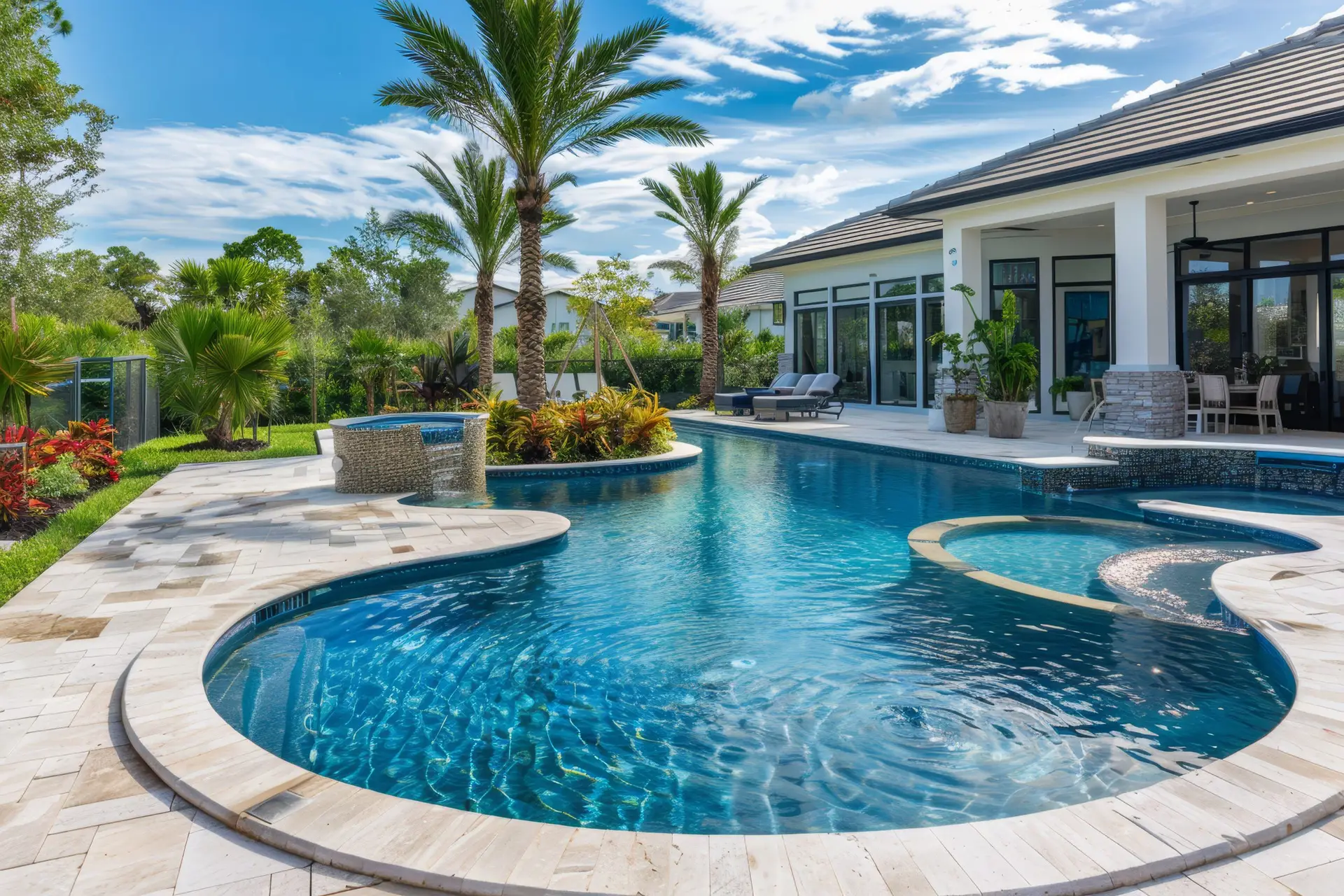
Planning a inground swimming pool for your South Florida backyard is exciting, but before construction begins, homeowners must navigate one of the most important steps: securing the proper pool permits in Florida. If you are building or renovating a pool in Miami-Dade, Broward, or Palm Beach County, understanding the requirements for obtaining pool permits in Florida can help you avoid delays and ensure your project starts smoothly. Skipping or misunderstanding this process can lead to costly delays, failed inspections, or even project shutdowns. Understanding how the permitting process works helps ensure your pool project moves forward smoothly and complies with local regulations from day one. This post walks you through what Florida homeowners typically need to know about the pool permitting process, why it matters, and how to navigate it successfully.

Why Pool Permits Are Required in Florida?
Pool permits in Florida play a critical role in protecting homeowners, ensuring construction safety, and maintaining community standards.
1. Safety Code Compliance: Local building departments use the permitting process to verify that pool construction plans meet current safety codes, including requirements for barriers, fencing, and pool enclosures. These standards are designed primarily to prevent accidents, particularly involving children.
2. Structural and Environmental Standards: In Florida, pool permits typically ensure compliance with the Florida Building Code, which includes requirements for construction that can withstand the state’s unique environmental conditions, including hurricane-force winds, heavy rainfall, and high water tables.
3. Zoning and Setback Requirements: The permit process confirms that your pool’s location on your property meets local zoning regulations and setback requirements, helping prevent disputes with neighbors and protecting property values.
4. Electrical and Plumbing Safety: Permits verify that all electrical and plumbing work associated with your pool meets the National Electrical Code (NEC) and Florida plumbing standards, reducing the risk of electrical hazards or system failures.
5. Official Construction Record: The permitting process creates an official record of your pool’s construction, which can be valuable when selling your home or filing insurance claims. Without proper permits, homeowners may face difficulties with home sales, insurance coverage, or future renovation projects.
6. Quality Assurance Through Inspections: The permit process typically includes multiple inspections at various construction stages, helping ensure work is completed properly and according to approved plans.
Florida Pool Regulations Homeowners Should Know
While Florida follows state wide building standards, enforcement and documentation requirements are handled at the local level. Experienced pool builders often review municipal guidelines in advance to ensure plans meet city or county expectations before submission, helping reduce revision requests during plan review.
Here are some pool regulations that homeowners applying for swimming pool permits in Florida should know:
1. Barrier Requirements: The Florida Building Code typically requires pools to have barriers or enclosures to prevent unsupervised access by young children. These may include fencing with self-closing, self-latching gates, pool enclosures, or approved door alarms for pools directly accessible from the home.
2. Setback Requirements: Most South Florida counties have setback rules that determine how far your pool must be from property lines, homes, and other structures. In many cases, pools must be set back 5 to 10 feet from rear and side property lines, although these distances vary significantly by city and county.
3. Electrical and Plumbing Standards: Pool electrical systems must comply with the National Electrical Code (NEC) as adopted by Florida. This often includes requirements for ground-fault circuit interrupters (GFCIs), bonding of metal components, and proper placement of electrical equipment relative to the pool.
4. Drainage and Environmental Considerations: Some jurisdictions may require plans showing how pool drainage will be managed to prevent runoff or flooding issues.
Tips to Avoid Permit Delays
Delays in securing pool permits in Florida can postpone your project, but homeowners can take steps to minimize them:
1. Work with experienced local contractors who understand your municipality’s requirements and have established relationships with building departments.
2. Ensure your property survey is current and accurate, as outdated surveys may not reflect existing conditions or boundaries.
3. Address HOA requirements early if applicable, as some associations have separate approval processes.
4. Submit complete applications with all required documentation to avoid rejections and resubmissions.
5. Plan for seasonal variations in processing times, as peak construction periods may extend review timelines.
Why Hiring a Professional Pool Builder Helps with Permits?
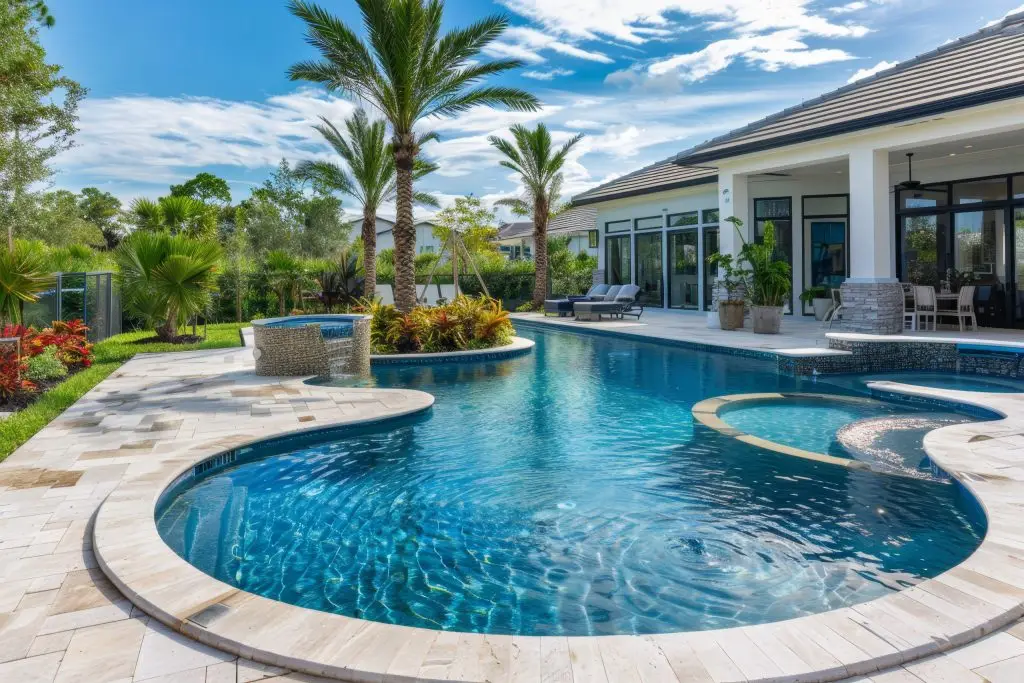
Here’s how professional contractors help streamline the pool permitting process in Florida:
1. Local Knowledge and Relationships: Experienced pool contractors maintain familiarity with local building departments and stay updated on code changes. This allows them to anticipate potential issues and address reviewer concerns efficiently.
2. Coordination of Licensed Professionals: A qualified builder manages coordination between engineers, electricians, and plumbers to ensure all required documentation is properly prepared and submitted together.
3. Inspection Management: Professional builders schedule and coordinate inspections throughout construction, ensuring each phase is inspected at the appropriate time and addressing any issues promptly.
Navigating pool permits in Florida requires local knowledge and experience. With over 60 years of pool construction experience throughout South Florida, Swimming Pool Experts, Inc. helps homeowners understand permit requirements and manage the application process from start to finish. To learn more about how we can help bring your pool vision to life, contact our team today.
FAQs: Pool Building Permits
Q. How long does it take to get a pool permit in Florida?
A: The timeline varies significantly depending on the municipality and project complexity. In many South Florida jurisdictions, the review process typically takes two to six weeks, though it may be shorter or longer depending on workload and revisions.
Q. Do I need a permit to renovate or remodel an existing pool?
A: Many renovation projects require permits, depending on the scope and local regulations. Major work, such as resizing a pool, replacing equipment, or adding features like spas, typically requires approval.
Q. What happens if my pool permit expires before construction is complete?
A: Pool permits are usually valid for six months to one year. If construction is not completed within that timeframe, you may need to renew the permit, often involving additional fees.
Q. Can homeowners apply for pool permits themselves in Florida?
A: In many municipalities, homeowners can apply for permits directly. However, most choose licensed contractors to avoid delays and ensure compliance with local codes and inspection requirements.